As Genshin Impact continues to expand its roster with new regions and characters, not every release generates the same level of excitement. One character currently at the center of debate is Zibait, whose arrival has been met with noticeably lower enthusiasm compared to other recent additions. Despite solid theoretical performance, many players are asking a simple question. Why does nobody seem to want Zibait?
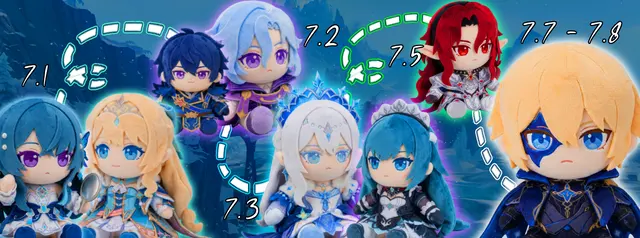
The first and most obvious factor is timing. Zibait is positioned directly between two of the most anticipated characters in recent years, Columbina and Varka. Columbina has been heavily marketed and treated as a centerpiece character, fulfilling a role similar to an Archon in terms of hype and narrative weight. Varka, on the other hand, has been teased since the early days of the game and carries years of built-up expectations. Zibait arrives in the middle of this storm, without long-term marketing buildup or widespread lore presence, making her easy to overlook.
Another major issue lies in Zibait’s role as a hyper carry within a very closed team composition. Her strongest performance is tied to a specific Geo Lunar-Crystallize team, where she functions as the primary damage dealer. This team heavily relies on Columbina as the best support option, along with highly specific characters such as Iluga and niche Geo buffers. While this composition may be powerful, it limits flexibility.
In modern Genshin Impact design, players strongly favor versatile characters who can fit into multiple teams and roles. Characters like Neuvillette, Columbina, Mavuika, and Lauma thrive because they enhance a wide range of team archetypes rather than locking players into a single setup. Zibait does the opposite. Her strength comes at the cost of freedom, requiring players to commit to an entire team ecosystem built specifically around her.
This leads to another important factor. Player fatigue. After years of team restructuring and constant meta shifts, many players are simply not eager to build another fully locked composition. Farming artifacts, leveling niche supports, and adjusting rotations for a single character feels less rewarding compared to investing in characters that improve an entire account. Even if Zibait ranks highly in optimal conditions, those conditions are restrictive.
The final and perhaps most impactful reason involves Sandrone. Community expectations played a crucial role here. For a long time, many players speculated that Sandrone would arrive as a powerful Geo character or a major Geo support. These expectations were never officially confirmed, but they spread widely through leaks, discussions, and fan theory. When Zibait appeared as a Geo hyper carry instead, she unintentionally occupied a role that many players had mentally reserved for Sandrone.
This created disappointment, even if unfairly. Players who were saving resources for Sandrone felt less inclined to invest in Zibait, especially if Sandrone ultimately arrives as a different element or role. In Genshin Impact, expectations often matter as much as reality. When those expectations are broken, community sentiment can shift quickly.
Zibait also suffers from a lack of emotional attachment. Unlike characters deeply embedded in main story quests or long-running lore arcs, Zibait feels sudden. Many players never encountered meaningful buildup for her character. Without strong narrative presence, it becomes harder for a character to generate long-term loyalty, regardless of gameplay strength.
In the end, Zibait is not weak. On the contrary, in her optimal setup, she may rank among the stronger damage dealers in the game. However, strength alone is no longer enough. Modern Genshin Impact players value flexibility, narrative relevance, and future-proof design. Zibait struggles in all three areas, which explains why interest remains limited despite her potential.
Whether her reputation changes will depend on future character releases, balance updates, and possible new supports that expand her team options. For now, Zibait stands as a clear example of how character design, timing, and community expectations can define success or failure far more than raw damage numbers.