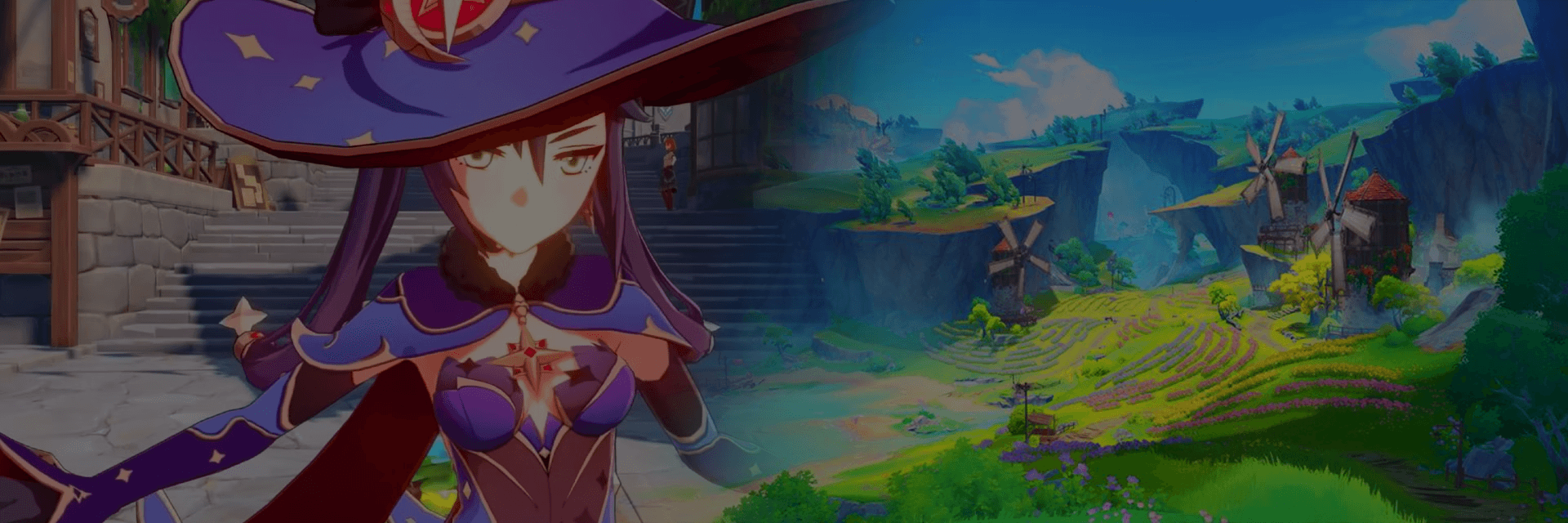

Recent leaks and reports originating from Genshin FES have shed new light on how Genshin Impact character skills are designed, emphasizing that many controversial mechanics are not arbitrary balance decisions, but intentional lore driven systems. According to this information, HoYoverse consistently aligns gameplay mechanics with a character’s story, role, and thematic identity, even when those mechanics appear restrictive from a purely numerical perspective.
This design philosophy directly addresses frequent community debates surrounding so called “deliberate nerfing.” The leaked explanation states that skill limitations, cooldowns, and resource penalties are often manifestations of in universe costs, sacrifices, or burdens carried by the character, rather than attempts to weaken them artificially.
A frequently cited example is Venti’s Elemental Burst. Players have long questioned why his Burst carries a long cooldown, especially compared to other Anemo units. According to the leak, this is because Venti’s Burst does not simply manipulate wind. It invokes the power of time itself. In lore terms, altering time carries a price, and that cost is reflected mechanically through cooldown duration. This interpretation reframes the ability as an act of immense authority rather than a balance limitation.
Another major example discussed is Clorinde and her unique Life Debt mechanic. Clorinde’s combat style involves accumulating Life Debt while using her firearm based abilities. From a gameplay perspective, higher Life Debt reduces her damage output, which has puzzled many players. The leaked explanation connects this directly to her lore identity as a Dueling Proxy. Through her profession, Clorinde repeatedly takes on the burden of judgment and execution, accumulating sin through sanctioned violence. Life Debt represents the physical and spiritual weight of that sin, manifesting as self inflicted restraint. The more she carries, the less freely she can fight.
This approach suggests that Life Debt is not a penalty meant to frustrate players, but a narrative mechanic symbolizing moral consequence. The reduction in damage at high Life Debt levels reflects the toll her role takes on her body and spirit, reinforcing her character arc through gameplay.
According to the information shared at Genshin FES, this philosophy applies broadly across the roster. Characters who wield divine authority, forbidden knowledge, or cosmic forces often pay a visible price in their kits. Cooldowns, health trade offs, and self inflicted debuffs are used as storytelling tools, ensuring that power in Teyvat is never free.
This revelation has begun to shift community discussion. Rather than viewing certain mechanics as poor balance decisions, many players are now reexamining characters through a lore first lens, recognizing how gameplay systems echo narrative themes. This is particularly relevant as upcoming versions continue to explore celestial powers, ancient sins, and the consequences of defying natural law.
If this design philosophy continues, future characters connected to concepts like time, fate, sin, or divinity may arrive with similarly symbolic mechanics. These systems may challenge players mechanically, but they also deepen immersion by reinforcing the idea that every power in Teyvat comes with a cost.
While still unofficial, the consistency of this explanation with existing lore has made it one of the most widely accepted interpretations to emerge from Genshin FES. It reinforces that in Genshin Impact, gameplay and story are not separate systems, but two halves of the same design philosophy.