


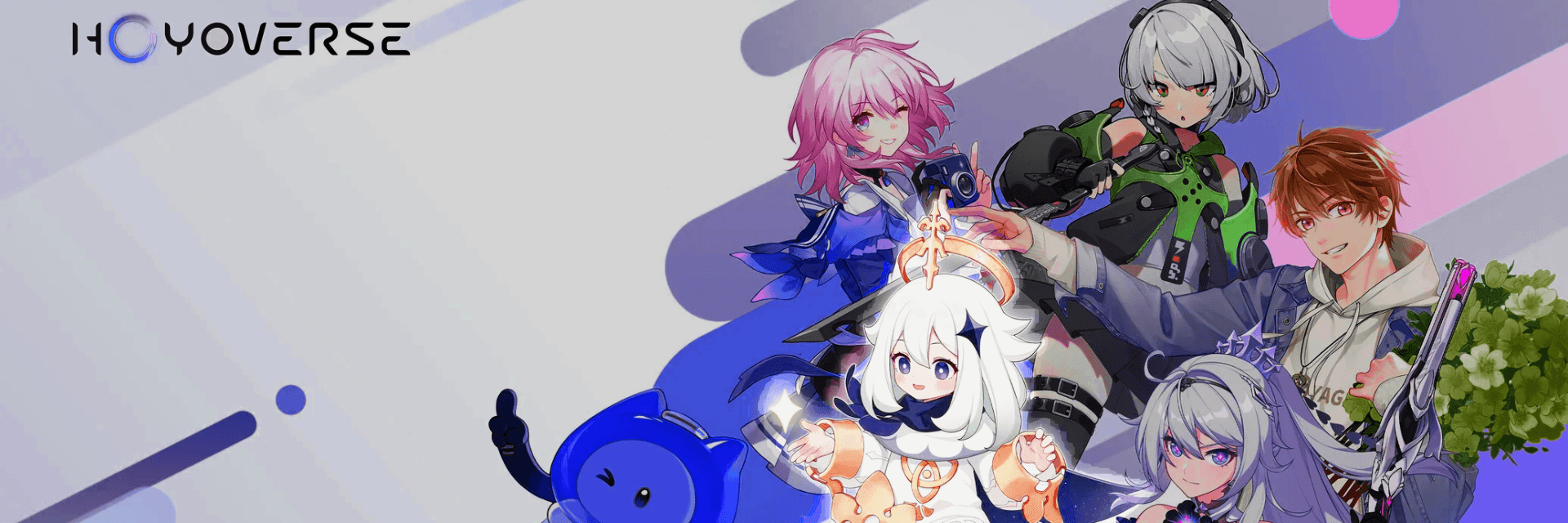
The global video game market is now a massive economic powerhouse, rivalling sectors like AI technology, film, music, and even investment markets and cryptocurrency. Billions of dollars are in play, as seen in huge market acquisitions and the sheer financial success of top titles. At the forefront of this digital gold rush stands Hoyoverse, the Chinese developer famed for the global sensation, Genshin Impact. The company is positioned at the pinnacle of the Games as a Service (GaaS) and Gacha game models.
The underlying philosophy driving the evolution of modern gaming has shifted from merely delivering a "good experience" to creating products that integrate into the daily lives of consumers, ultimately capturing their time and data. This pursuit of constant engagement is central to the Gacha model, which, alongside the controversial mechanism of Loot Boxes, has been criticized for leveraging rapid dopamine feedback loops. These mechanisms are alleged to generate incredible tolerance and may potentially lead to serious mental health concerns in many cases.
While the Gacha mechanics and Loot Boxes were not new having been present in games like FIFA and Counter-Strike, and the Gacha genre having established titles like Fate/Grand Order the launch of Genshin Impact was a watershed moment. It brought the genre mainstream and established Hoyoverse as one of China's most profitable companies globally. The studio, which had prior successful titles in the Asian market such as Honkai Impact 3rd and Guns Girls Z, saw Genshin Impact become a cultural phenomenon. Its success was significant enough that the Chinese government recognised the company for extending the nation's customs and traditions, effectively naming it a form of "cultural heritage".
Despite this immense success and cultural impact, player sentiment often remains divided, leading to a constant debate over whether Hoyoverse is the "best or worst video game company to date". Recent player discontent has been fuelled by development decisions, such as the perceived improvisation of content like the Nod-Krai region, which was reportedly added as filler before the final nation of Snezhnaya in the main storyline. Furthermore, the community's reaction to the new User-Generated Content (UGC) mode has been fraught with widespread criticism and dissatisfaction, particularly from Western and Chinese-speaking players, but also from the Spanish-speaking community.
The core question for the industry's future is philosophical and economic: is the player merely a consumer, or have they become the actual product, with their time and personal data being the true source of wealth for the mobile gaming giant and all the GaaS titles? Hoyoverse sits at the nexus of this lucrative, yet polarizing, business model, which dictates that games must be kept open for the maximum possible time.
(Hoyoverse, Genshin Impact, Gacha Games, Video Game Market, Loot Boxes, Games as a Service, GaaS, Nod-Krai, Mobile Gaming, Dopamine)