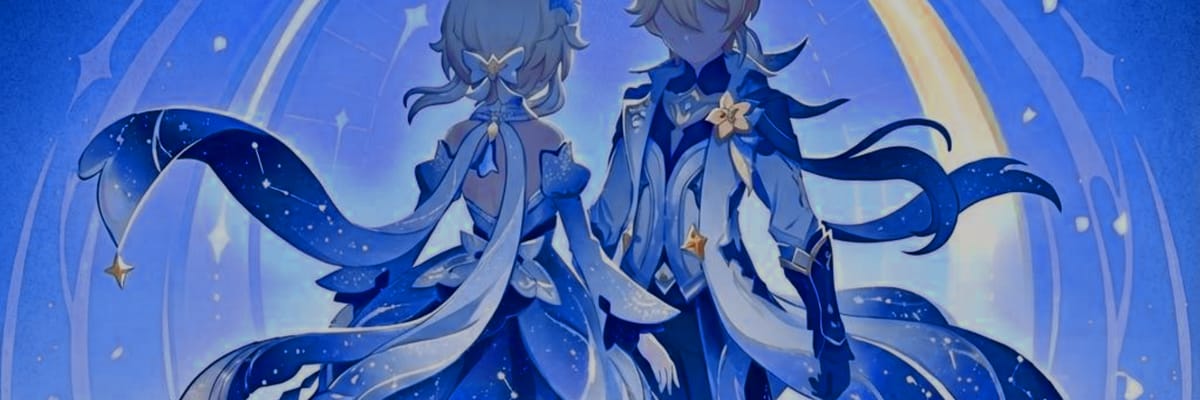
A recent wave of Genshin Impact skin promotion has ignited intense discussion across the community, blending excitement, controversy, and heavy speculation about the future of the game. What initially appeared to be a simple visual teaser has evolved into a broader conversation involving Chinese gaming regulations, long requested character skins, and unexpected new information related to Varka.
Much of the attention comes from a highly viral image shared on social media, amplified by a carefully timed marketing push that quickly surpassed one million impressions. While many players welcomed the visual quality and presentation of the new skins, others pointed out that this sudden focus on cosmetics is not purely driven by player demand. Instead, it appears closely linked to recent changes in Chinese legislation affecting character portrayal in video games.
According to the newly approved regulations, characters under the age of 20 can no longer be sexualized in any capacity. This mirrors previous policy changes that forced Hoyoverse to introduce alternative outfits for characters such as Mona, Amber, and Jean, which later became canon in main story quests. In this context, the current skin campaign is widely viewed as a compliance-driven move rather than a creative initiative born from community feedback.
Despite the criticism, many players acknowledge that Hoyoverse has successfully transformed obligation into opportunity. The company leveraged the regulatory shift into a strong marketing narrative, generating hype and renewed discussion after nearly five years of requests for customizable outfits. For some, this marks a long overdue step forward. For others, it highlights how slow these changes have been, especially when basic cosmetic options like hats or outfit swaps for the Traveler were requested since launch.
Speculation has also surged around the story implications of these skins. A large portion of the community believes the designs may be connected to the eventual arrival of Snezhnaya, the final known nation of Teyvat. Some theories go even further, suggesting these skins could foreshadow a narrative reset, a post-Snezhnaya arc, or even a future continuation often referred to by fans as a potential “Genshin 2.” The symbolism of seven nations, seven years, and the Tsaritsa gathering all Gnoses continues to fuel these discussions.
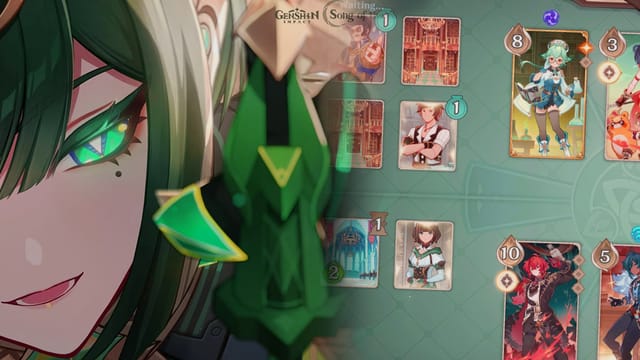
⚠️Alongside the skin debate, new information regarding Varka has surfaced and quickly spread across social platforms. According to the circulating claims, Varka is described as a highly versatile character wielding two swords and featuring two distinct gameplay modes. One mode allegedly allows him to function as a pure Anemo carry, while the other enables elemental imbuement through a held elemental skill, shifting him into a quick-swap damage role with strong team synergy. Additional claims suggest Varka may use a special energy system rather than a traditional Elemental Burst, similar to characters like Mavuika or Skirk, allowing him to prioritize critical stats over Energy Recharge.
⚠️ Important clarification about Varka information: The leaker who shared these Varka details deleted the original post minutes after publishing it, and it was later confirmed that the information was false. This means all current Varka-related claims should be treated as misinformation and not as reliable leaks.
Despite this clarification, the timing of the rumor added fuel to an already intense discussion cycle. With an upcoming livestream approaching, many fans expect official announcements to clarify what is real and what is not. Hoyoverse has historically benefited from controlled information flow, and moments like this show how speculation and hype can rapidly spiral when visuals, regulation changes, and character rumors collide.
In the end, this situation highlights a recurring pattern within Genshin Impact’s live service model. External pressures such as regulation can shape in-game content just as strongly as creative vision. Whether players view the new skins as a positive evolution or a delayed necessity, one thing is certain. The conversation around customization, narrative direction, and transparency is far from over.