Genshin Impact has released a striking new cinematic titled “Fall of the False Moon,” further expanding the game’s deep and symbolic narrative surrounding divinity, truth, and deception. This cutscene animation immediately stands out for its solemn tone and its direct thematic message. Players are urged not to be swayed by false promises nor to bow before false gods, reinforcing one of the most persistent philosophical conflicts within the world of Teyvat.
From its opening moments, the cutscene establishes a clear opposition between illusion and reality. The concept of a False Moon serves as a powerful metaphor, representing fabricated authority and distorted truths that have long shaped the world’s history. Unlike previous lunar themed cinematics that focused on return or rebirth, this animation emphasizes collapse and revelation, signaling the end of an era built on lies.
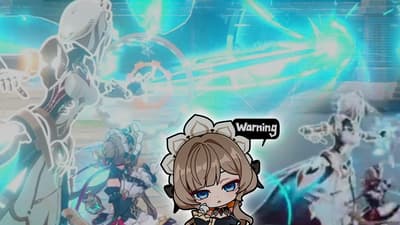
Visually, the animation leans into sharp contrasts. The moon’s light appears cold and unnatural, casting shadows that feel oppressive rather than comforting. As the cutscene progresses, fractures form, symbolizing the breakdown of deception under the weight of undeniable truth. This visual language reinforces the narration’s message that truth is not passive, but a force capable of shattering even divine constructs when exposed.
Narratively, “Fall of the False Moon” aligns closely with Genshin Impact’s broader exploration of corrupted divinity and rewritten history. Throughout the game, players encounter remnants of civilizations that placed their faith in higher powers, only to be betrayed or erased. This cutscene echoes those themes, suggesting that unquestioned worship and blind obedience are vulnerabilities that can be exploited by false authorities.
The line urging viewers to trust in the power of truth resonates strongly with ongoing story arcs involving hidden knowledge, forbidden research, and suppressed histories. In Genshin Impact, truth is often fragmented, scattered across ancient texts, ruins, and personal memories. The cutscene implies that once these fragments are brought together, even the most carefully constructed lies cannot endure.
The fall itself is portrayed not as chaotic destruction, but as a necessary reckoning. There is a sense of solemn justice in the way the False Moon collapses, emphasizing that this outcome is inevitable rather than tragic. This framing suggests a turning point for the world, where long standing deception can no longer sustain itself in the face of awakened awareness.
From a storytelling perspective, the animation continues HoYoverse’s approach of using cinematic shorts to address core philosophical questions rather than explicit plot exposition. By avoiding specific names or locations, the cutscene allows its message to apply universally across Teyvat, making it relevant to multiple factions, regions, and future story developments.
Community discussion surrounding “Fall of the False Moon” has focused heavily on its implications for the nature of gods, celestial authority, and the role of mortals in challenging divine narratives. Many players interpret the cutscene as a symbolic rejection of imposed destiny, reinforcing the idea that belief alone does not grant legitimacy, and that truth remains the ultimate measure of power.
In conclusion, Cutscene Animation “Fall of the False Moon” stands as a bold thematic statement within Genshin Impact’s evolving lore. Through striking visuals and a clear moral stance, it emphasizes that false divinity cannot endure, and that truth, once revealed, will always prevail. As the story of Teyvat continues to unfold, this cinematic serves as a reminder that even the heavens are not beyond question.